PLATFORM ARCHITECTURE
A TECHNICAL DEEP DIVE FOR IT ARCHITECTS, INTEGRATORS, AND CTOs
This page explains what sits inside Vela Context Data Hub, why each component exists, and how the pieces fit together. If you're evaluating Vela for a production deployment — or you need to convince your technical team — start here.
WHY ORGANIZATIONS STRUGGLE WITH DATA TODAY
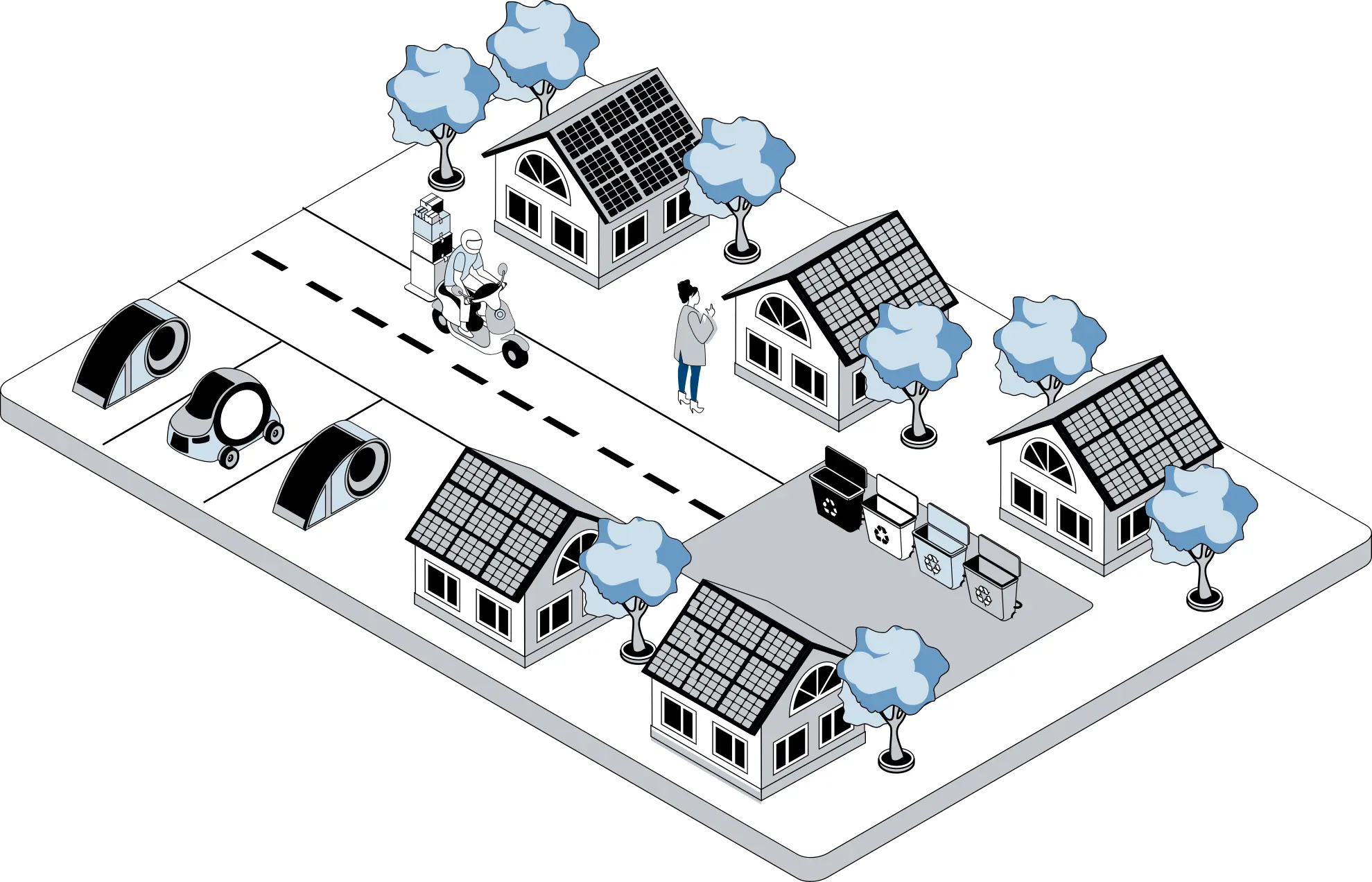
Cities, utilities, industrial operators, and integrators already generate massive amounts of data — from open datasets, sensors, utilities, ERP exports, and public services. The problem isn't data volume. It's that data speaks different languages across every system, every vendor, every department.
- Data is usually published in raw CSVs or Excel files without machine-readable semantics.
- External developers must spend too much time cleaning and transforming data before they can build apps.
- Each new project requires intensive back-and-forth communication between city IT teams and vendors.
- Data silos exist: traffic, energy, water, manufacturing, environment, and GIS -all managed separately, not shared across departments.
- Data comes from too many sources (IoT, CSV, ERP exports, APIs) with inconsistent structures.
- Every integration invents its own JSON, naming, units, and timestamps.
- Without a standard context model, datasets do not connect (energy + building + mobility remain separate worlds).
- Teams waste time mapping and re-mapping instead of building applications.
The result is high integration cost, fragile solutions, and vendor-specific data silos that compound with every project.
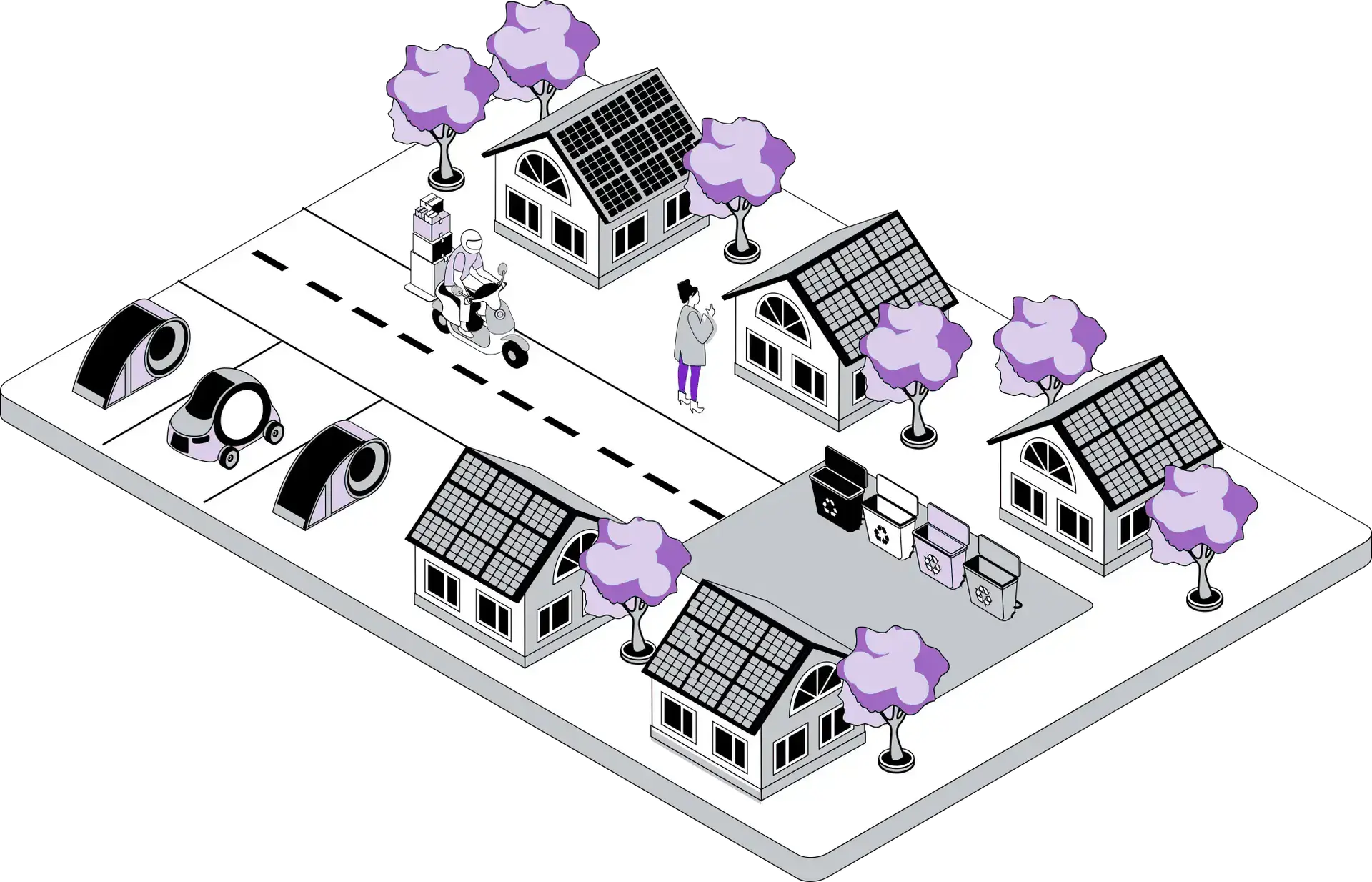
WHAT IS A CONTEXT DATA HUB (AND WHY IT MATTERS)
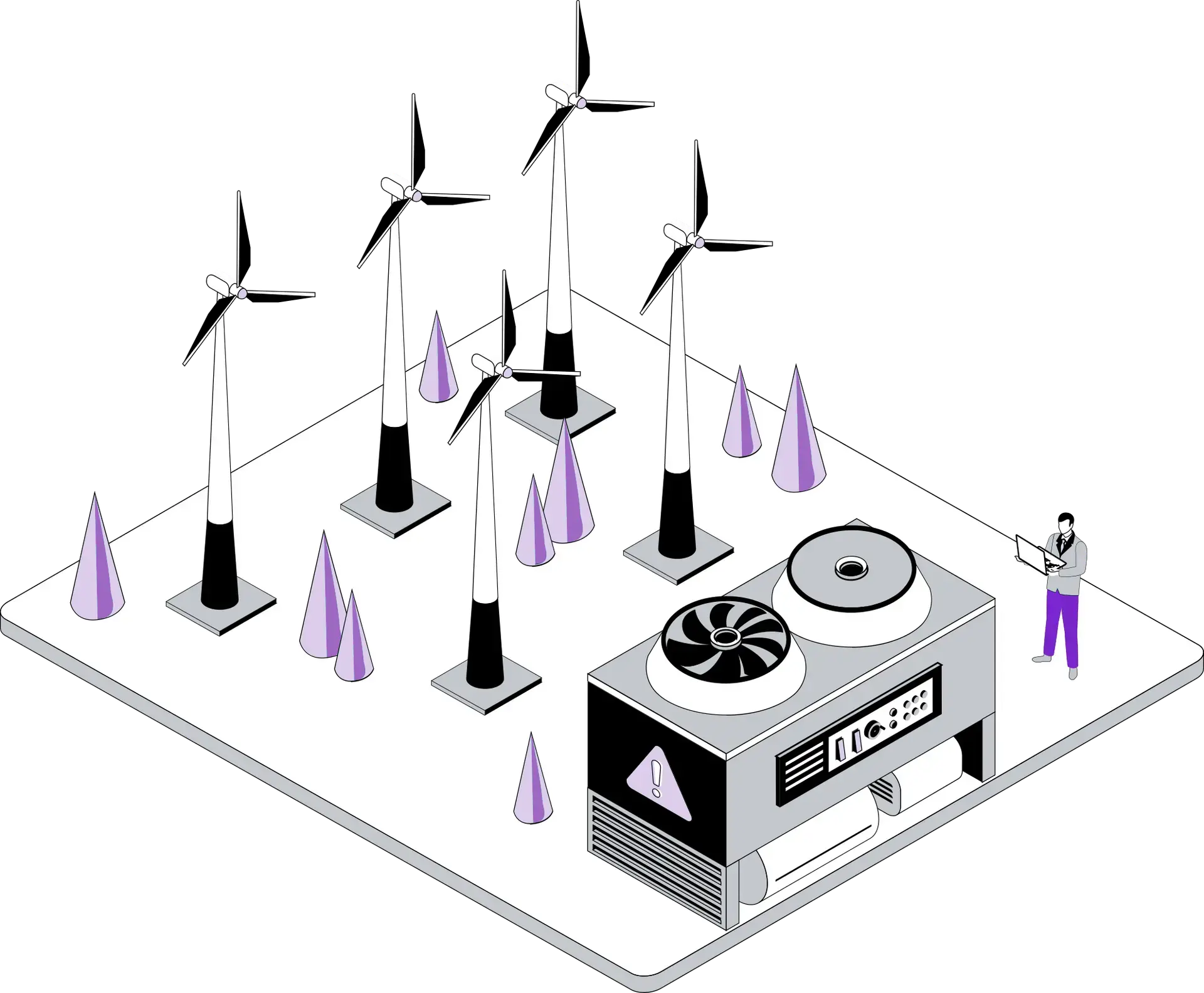
A Context DataHub is a standardised “context layer” that stores and serves real-time entities (assets, sensors, meters, rooms, vehicles,...) through one open API.
What it ensures:
- Data is structured as linked entities (JSON-LD, NGSI-LD) instead of arbitrary payloads.
- All systems speak the same language - Smart Data Models, consistent attributes, timestamps, and units.
- Applications integrate faster because the interface stays stable even when sources change.
- You can scale from one use case to many without rebuilding integrations.
What every Context Data Hub needs at minimum:
- A NGSI-LD Context Broker (real-time context API).
- Connectors/ingestion pipelines (streams + batch imports).
- Smart Data Model mapping (so meaning stays consistent across sources).
- A security gateway (auth + API protection).
- Monitoring and evidence logs ( so operations teams can sleep at night ).
COMPONENTS OF THE VELA CONTEXT DATA HUB
Vela Context Data Hub is built on ETSI NGSI-LD standards and ships with every component a production-grade context platform needs. No assembly required. Components:
- NGSI-LD Context Broker - the real-time engine for context queries, subscriptions, and entity management. Based on Scorpio.
- Smart Data Models - standard formats for energy, buildings, mobility, water, environment, industry, and logistics. Import, extend, or define your own.
- Metadata Catalog (DCAT-AP, CKAN) - makes your datasets discoverable and harvestable by EU and national data portals.
- Security Gateway - OAuth2/OIDC authentication, API access control, reverse proxy. Powered by LIBRA.
- Connectors & Harvesters - periodic imports (CSV, Excel, APIs) and real-time streams (sensors, MQTT, OPC-UA). Powered by CASSIOPEIA.
- Time-series Storage - historical data queries and analytics.
- Dashboards & Developer tools - Grafana, custom dashboard builder, and debugging UIs for exploration and operations.
- Evidence Logs - who changed what and when, with a full audit trail.
- Validation and Normalization - enforce units, shapes, and timestamps so partners can't create local dialects.
- Temporal Rules - ObservedAt, late-data handling, retention policies — so history is predictable.
WHO THIS PAGE IS FOR
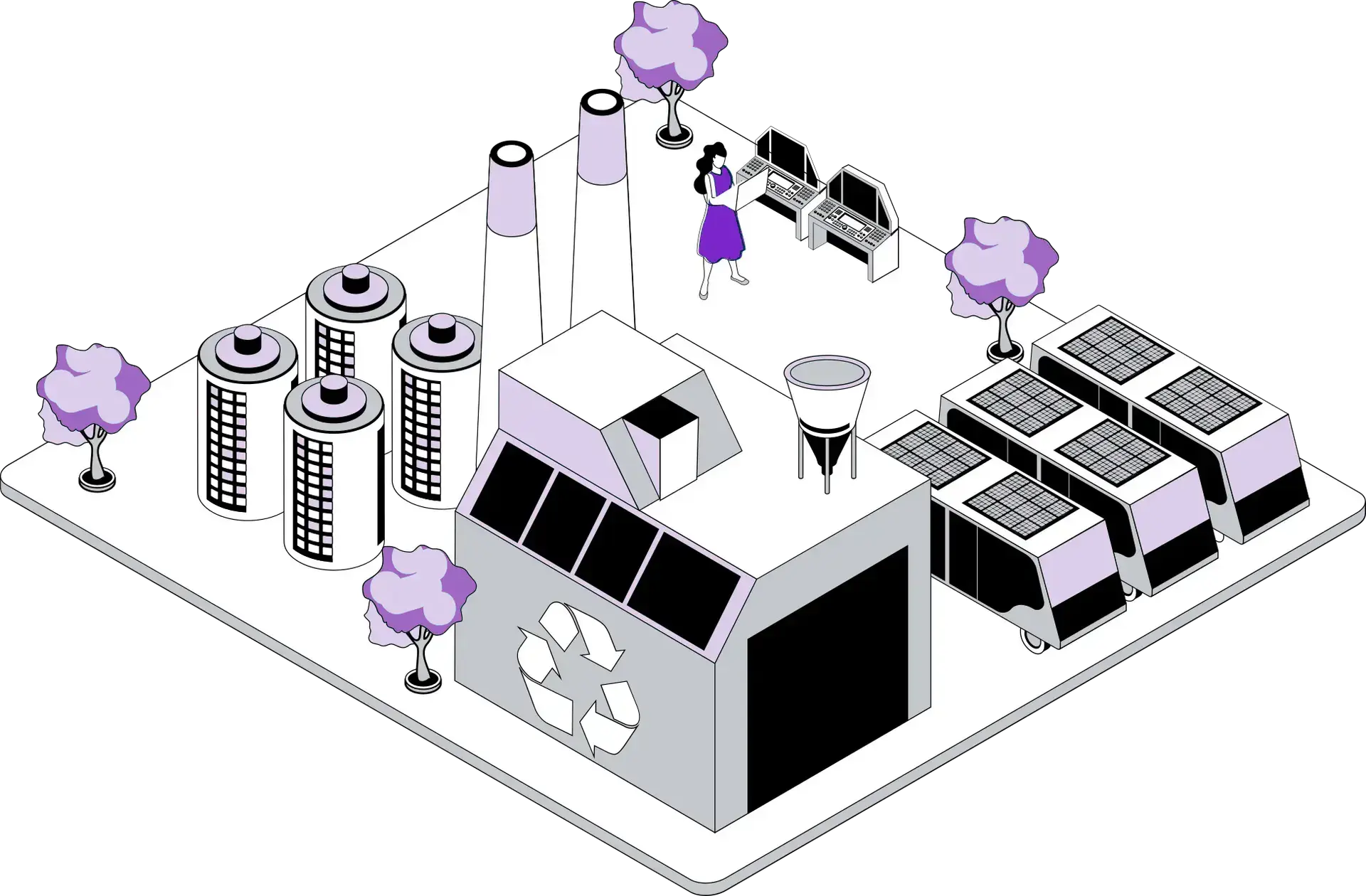
For Decision Makers
A low-risk path to interoperability:
- Start with one system (one dataset if you need to).
- Reduce integration cost for every subsequent project.
-
Avoid vendor lock-in by committing to an open standard API (NGSI-LD), not a proprietary platform.
For IT Architects & Integrators
A ready-to-use platform, no assembly required:
- No need to build a context platform from components and glue.
- Standard models, production connectors, and repeatable onboarding patterns.
- Secure, documented, and maintainable - built to hand off to operations teams.
technical highlights
STACK COMPONENTS
- Context Broker - Scorpio (NGSI-LD)
- API Gateway - LIBRA (policy enforcement, rate limiting, RBAC)
- Data Transformation - CASSIOPEIA (no-code NGSI-LD mapping)
- Identity & Access - Keycloak (OAuth2/OIDC)
- Database - PostgreSQL + time-series extensions, ClickHouse (option)
- Workflow / Integration - Node-RED, Python
- Dashboards - Grafana & Custom
- Logging - Loki
- Metadata Catalog - CKAN + DCAT-AP
- Operating System - SandBoxOS (130+ pre-loaded packages)
INTERFACES & STANDARDS
- ETSI NGSI-LD / JSON-LD as the primary interface for all applications and integrations
- Smart Data Models (smartdatamodels.org) as the default semantic vocabulary
- DCAT-AP for metadata catalog exchange
- Built-in monitoring and alerting
- Optional validation and normalization rules for strict governance environments
READY TO SEE IT WITH YOUR DATA?
The free 30-minute strategy call maps your data sources and delivers a concrete integration roadmap.
Or see pricing and plans.